Maple Tree Removal in Allentown, PA
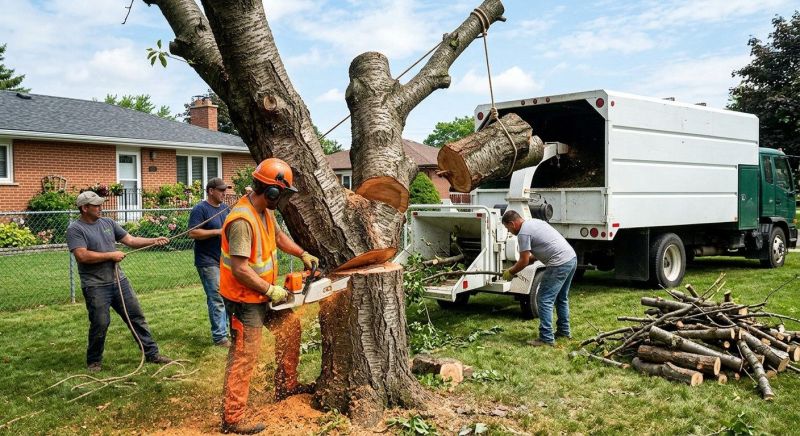
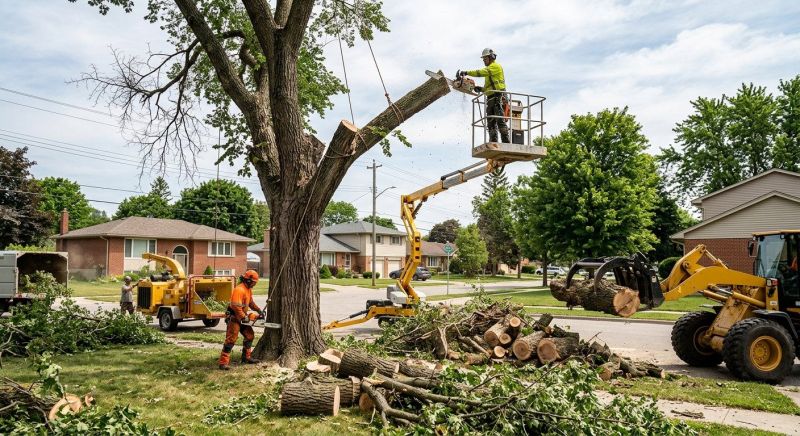
Maple tree removal services involve the careful and safe removal of mature maple trees that are damaged, diseased, or pose a risk to property or safety. These projects typically include assessing the tree’s condition, planning the removal process, and executing the cut in a way that minimizes impact on the surrounding landscape. Homeowners often request this service when a maple tree has become unstable, shows signs of decay, or is interfering with structures, power lines, or underground utilities.
Before requesting maple tree removal, property owners should consider the location of the tree, the potential impact on nearby structures, and any local regulations or permits that may be required. It is also useful to understand the reasons for removal, such as disease or safety concerns, and to discuss options for stump grinding or disposal after the tree is taken down. Clear communication about these details can help ensure the project proceeds smoothly and aligns with property management goals.
Many property owners in Allentown, PA look into Maple Tree Removal for repairs, replacements, upgrades, and appearance-related improvements.
Reasons To Remove A Maple Tree
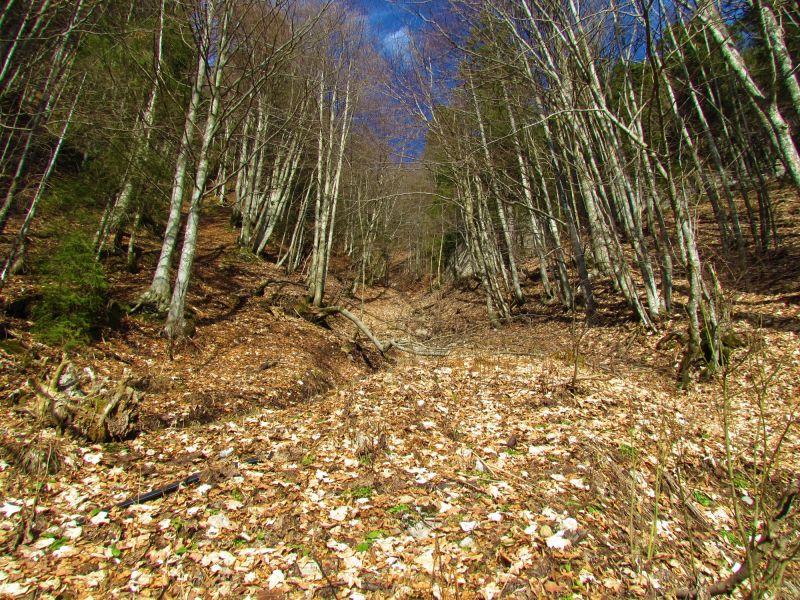
Removing a maple tree can improve safety, prevent property damage, and enhance landscape aesthetics.
Signs You Need Maple Tree Removal
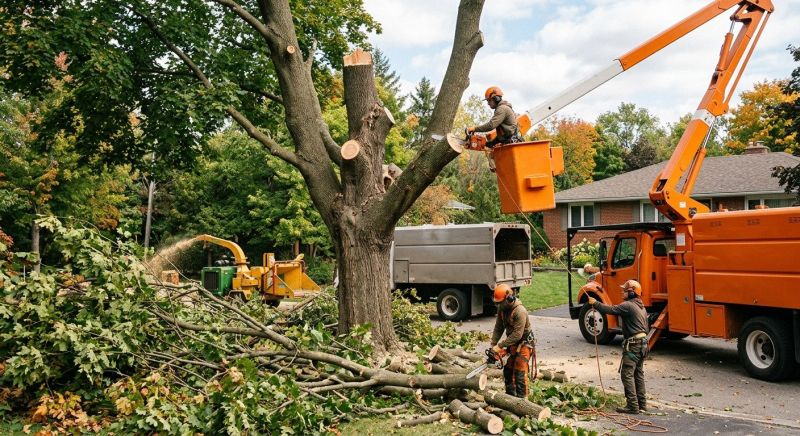
Indicators include dead or dying branches, root damage to structures, or disease affecting the tree's health.
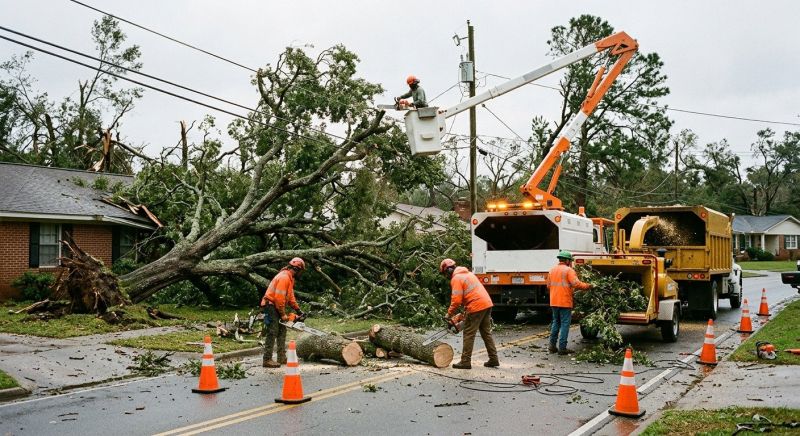
Proper Maple Tree Removal Techniques
Professional removal involves careful planning, safe cutting methods, and proper disposal to protect your property.
Maple Tree Removal in Allentown, PA
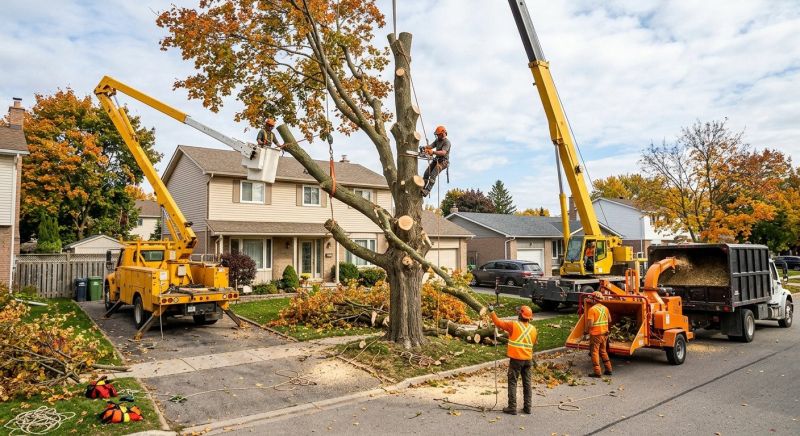
Maple tree removal services involve the careful and safe removal of mature maple trees that are damaged, diseased, or pose a risk to property or safety. These projects typically include assessing the tree’s condition, planning the removal process, and executing the cut in a way that minimizes impact on the surrounding landscape. Homeowners often request this service when a maple tree has become unstable, shows signs of decay, or is interfering with structures, power lines, or underground utilities.
Before requesting maple tree removal, property owners should consider the location of the tree, the potential impact on nearby structures, and any local regulations or permits that may be required. It is also useful to understand the reasons for removal, such as disease or safety concerns, and to discuss options for stump grinding or disposal after the tree is taken down. Clear communication about these details can help ensure the project proceeds smoothly and aligns with property management goals.
Many property owners in Allentown, PA look into Maple Tree Removal for repairs, replacements, upgrades, and appearance-related improvements.
Common Maple Tree Removal Jobs
Tree removal - complete removal of hazardous or unwanted maples from residential properties.
Stump grinding - grinding remaining stumps to clear the area for future landscaping.
Selective pruning - trimming to improve tree health and maintain property safety.
Emergency tree removal - prompt removal of fallen or damaged maples after storms or high winds.
Tree thinning - reducing canopy density to improve light and airflow around the property.
Root removal - extracting invasive roots that threaten foundations or underground utilities.
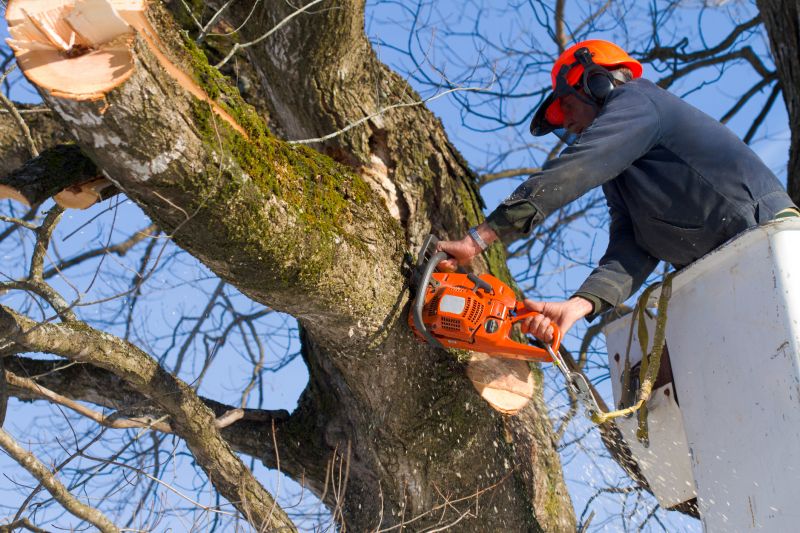
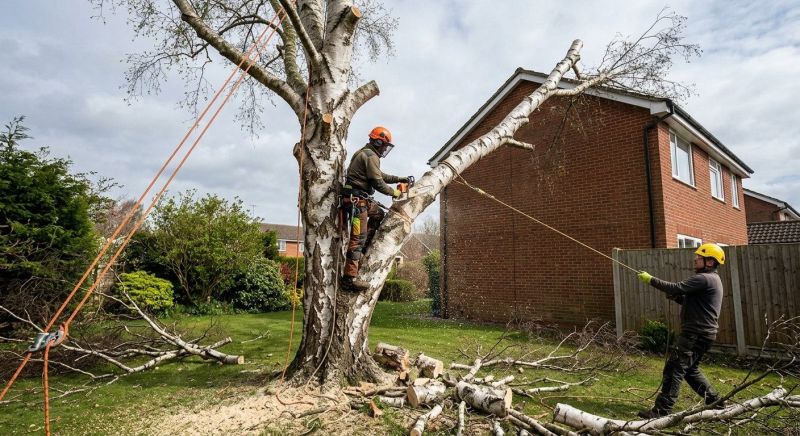
Maple Tree Removal Questions
When is the best time to remove a maple tree? Maple trees can be removed at any time of year, but the dormant season often minimizes stress on the landscape.
How does maple tree removal affect nearby plants? Removal may require careful planning to protect surrounding shrubs and lawn areas from damage.
What are common reasons for removing a maple tree? Reasons include disease, structural issues, safety concerns, or overgrowth that impacts property or utilities.
Is stump grinding part of maple tree removal? Yes, stump grinding is typically included to eliminate remaining roots and prevent regrowth.
Request Maple Tree Removal in Allentown, PA
Use the quote form on this page to share the basics of your project and request more information for the type of work you need.